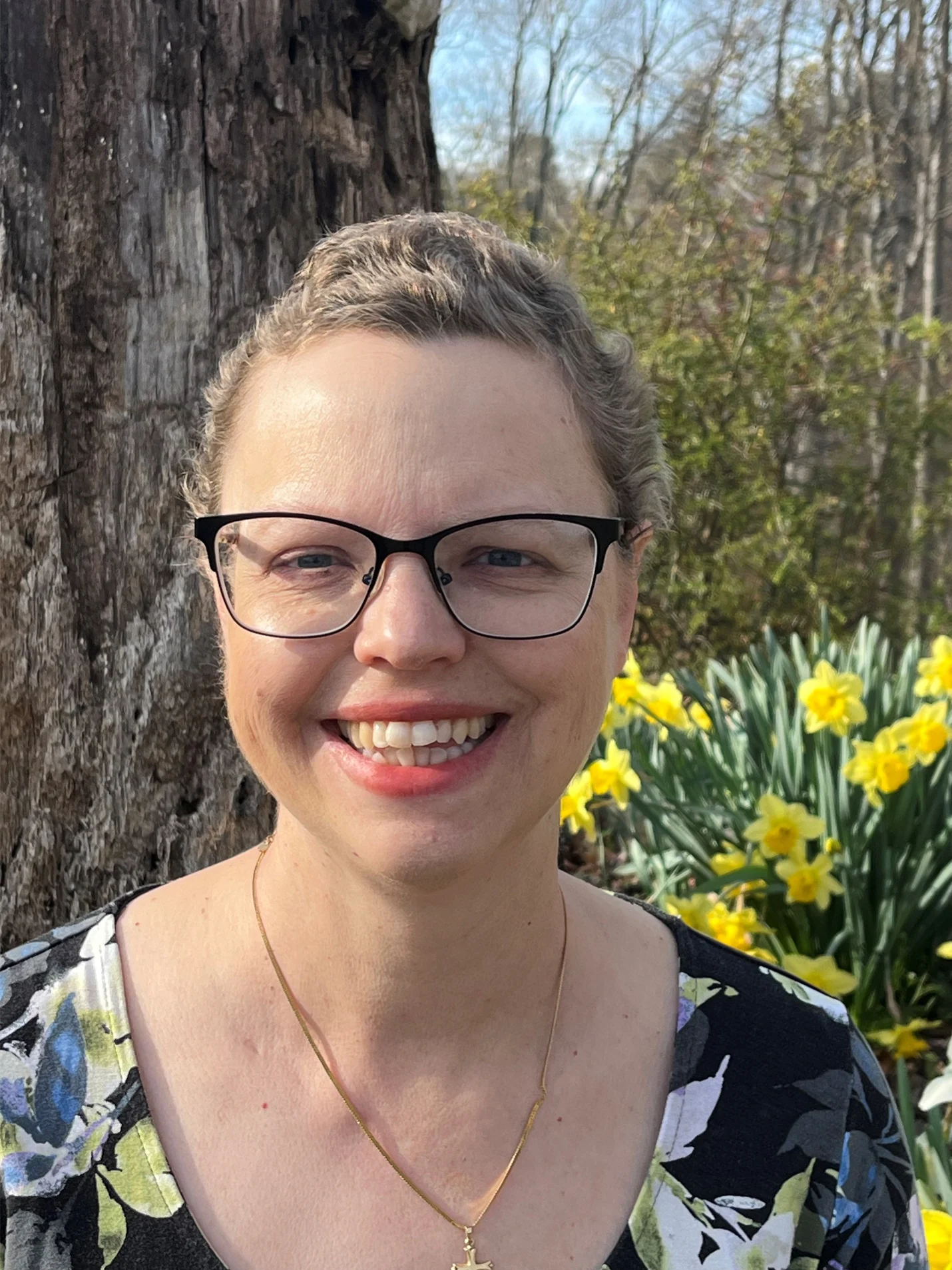
Jill Venton, Thomas Jefferson Professor of Chemistry
University of Virginia
How did you get started in the field of Analytical Chemistry?
I started doing analytical chemistry back in high school! I had a summer internship job at the Beltsville Agricultural Research Center at the US USDA and they taught me to do gas chromatography. In college, as I took various chemistry courses, I found myself drawn to the instrumentation courses and started doing research in mass spectrometry. That led me to decide to go to graduate school in analytical chemistry.
What makes your current position exciting and unique?
Currently, I am an analytical chemistry professor at a research university. In my job, I run a research lab where I develop analytical techniques to measure real time neurotransmission in the brain. I love doing interdisciplinary research and to use analytical tools to understand things about the brain. My lab specifically does a lot of electrode sensor development and fluorescence microscopy. I also teach an analytical lab class and teach students about instrumentation, which is rewarding because it prepares them for future careers.
What advice do you give to young scientists beginning their careers in Analytical Chemistry?
My advice is to get training in a lot of analytical techniques. I started in chromatography, did mass spectrometry research as an undergraduate, did a PhD in electrochemistry, did a postdoc with capillary electrophoresis-laser-induced fluorescence and now in my own lab do a combination of a lot of these methods. Always be open to learning new things and building your own toolkit.
What are your interests outside of science?
I live on a river and like to spend time outside. I have two children who keep me busy with mom activities and I am active in my church with deaf ministry and teaching Sunday school.
What do you envision for the field of Analytical Chemistry in the future?
I think analytical chemistry is going to enable a lot of new analyses that are useful to other fields. Thus, I think a lot of analytical chemists will be work on interdisciplinary projects. A core knowledge of analytical techniques is necessary to dream up new research. AI is going to be useful in helping workflows and data analysis, but chemists must have core knowledge to check the results and understand what capabilities instruments can provide.